When Replacing the Roof Can Provide a More Complete Solution
Recurring leaks, repeated tile movement and continuing dampness can make it difficult to know whether another repair will be sufficient. When defects are isolated, professional repair may restore the roof effectively. However, if problems are widespread or different components are failing together, replacing the roof may provide a more dependable solution.
For homeowners in Tring, Hertfordshire, the decision should be based on the condition of the entire roofing system rather than the frequency of one visible symptom alone.
Why Roofing Problems Sometimes Keep Returning
A repaired area may fail again if the original cause was not identified or if surrounding materials are also deteriorating. Water can travel beneath tiles and along timbers, meaning the location of an internal stain may be some distance from the actual entry point.
Repeated problems can also occur when:
- The roofing underlay has deteriorated
- Battens are damaged or decayed
- Tiles or slates are failing across several areas
- Flashing has weakened around multiple junctions
- Ridge, hip or verge details are loose
- Drainage is directing water towards vulnerable sections
- Previous repairs have addressed symptoms rather than causes
- Several roof components have reached a similar stage of wear
A thorough inspection is necessary to establish whether these faults remain localised or affect the roof more widely.
When Is Repair Still the Appropriate Option?
A replacement roof is not automatically required because a property has developed a leak. Local repair may remain appropriate when the surrounding materials are sound and the source of the problem can be clearly identified.
Examples include:
- A small number of cracked or displaced tiles
- A limited section of failed flashing
- Localised storm damage
- A minor defect around a vent or penetration
- Isolated mortar deterioration
- A small area of damaged flat roof covering
In these circumstances, replacing the affected materials and correcting the underlying cause may restore reliable performance without disturbing the rest of the roof.
Signs That Replacement May Be Worth Considering
Roof replacement becomes more relevant when defects are no longer confined to one section. The pattern and extent of deterioration matter more than any single problem.
Warning signs can include:
- Leaks appearing in different rooms
- Tiles slipping repeatedly across several slopes
- Widespread cracked or weathered materials
- Extensive deterioration beneath the roof covering
- Numerous previous repair areas
- Persistent moisture despite targeted repairs
- Noticeable sagging or uneven rooflines
- Large sections requiring attention at the same time
These signs do not confirm that replacement is essential, but they justify a complete roof assessment.
How Replacement Addresses Hidden Deterioration
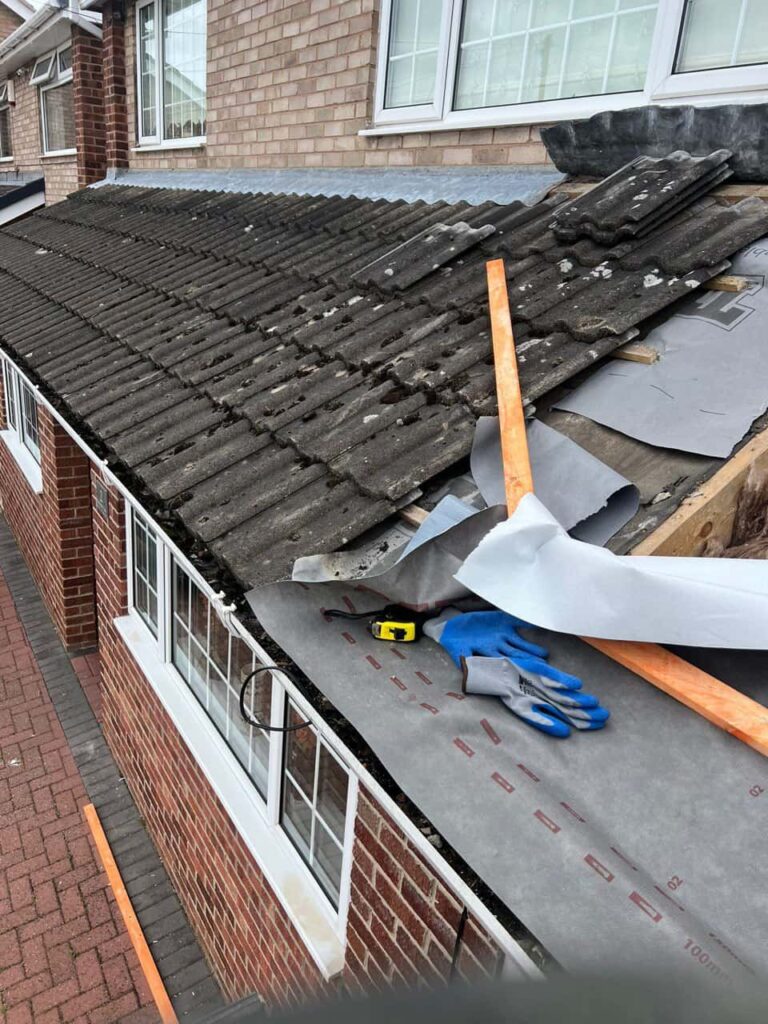
One advantage of roof replacement is that removing the existing covering exposes the materials beneath. This allows battens, underlay, decking and accessible structural timbers to be examined directly.
Any damaged components can then be repaired or renewed before the new covering is installed. This is particularly valuable when ongoing leaks have affected several layers of the roof but the full extent of the deterioration cannot be seen from inside the loft or from ground level.
Can a New Roof Prevent Recurring Leaks?
A properly designed and installed replacement roof can address multiple entry points in one coordinated project. New underlay, battens, roof coverings and weatherproof junctions work together to create a complete system.
The installation may resolve recurring leaks caused by:
- Deteriorated tiles or slates
- Failing underlay
- Inconsistent previous repairs
- Damaged battens
- Defective flashing
- Worn ridge and verge details
- Poorly formed roof junctions
- Weaknesses around valleys or penetrations
The result depends on accurate preparation and workmanship. New tiles alone will not correct structural, drainage or ventilation problems that remain unresolved beneath them.
Why Ventilation Must Be Considered
Not every damp problem is caused by rain entering through the roof. Condensation can develop when warm, moist air reaches cold surfaces within a poorly ventilated roof space.
If condensation is mistaken for a leak, replacing the external covering alone may not solve the problem. A roof assessment should therefore consider airflow, insulation and signs of internal moisture alongside the condition of the covering.
Suitable ventilation can then be incorporated into the replacement system where required.
Drainage and Roofline Details Matter
A roof must direct rainwater efficiently towards the gutters and downpipes. Defects in valleys, eaves or roofline components can cause water to collect or enter beneath the covering.
During replacement, attention should be given to:
- Roof falls and drainage paths
- Valleys and intersections
- Eaves details
- Fascias and soffits
- Gutter alignment
- Chimney and wall flashing
- Vents and other penetrations
Treating these areas as part of the whole project reduces the likelihood of an overlooked junction undermining the new covering.
What a Professional Roof Assessment Should Establish
Before recommending replacement, a roofing contractor should determine:
- The source of existing leaks
- How widely deterioration has spread
- Whether the main structure remains sound
- Which components can be retained
- Whether further local repairs would be dependable
- What roofing system suits the property
- How ventilation and drainage should be managed
This evidence-based approach helps ensure replacement is recommended because it is suitable for the roof’s condition, not simply because the property has experienced more than one fault.
The Importance of Professional Installation
A replacement roof will only perform reliably if it is installed correctly. Materials must suit the roof pitch and structure, while fixings, overlaps and junctions require careful attention.
Good installation should include:
- A sound and properly prepared base
- Compatible underlay, battens and coverings
- Secure tile or slate fixing
- Accurately formed flashing
- Effective ridge, hip and verge details
- Appropriate ventilation
- Reliable drainage
- A final inspection of the completed roof
These elements allow the roof to function as one integrated system.
Conclusion
A replacement roof can solve ongoing roofing problems when deterioration affects multiple areas or several layers of the roof system. It provides an opportunity to remove failing materials, inspect concealed components and correct connected weaknesses in one planned project.
However, replacement is not always necessary. A professional assessment should first determine whether the defects remain suitable for repair and whether condensation, drainage or another issue is contributing to the symptoms.
If your roof continues to develop problems, LS Roofing Tring can inspect its overall condition and recommend an appropriate course of action. Contact our team for professional roofing services in Tring, Hertfordshire.
Call us on: 01442 504 695
Click here to find out more about LS Roofing Tring
Click here to complete our contact form and see how we can help with your roofing needs.