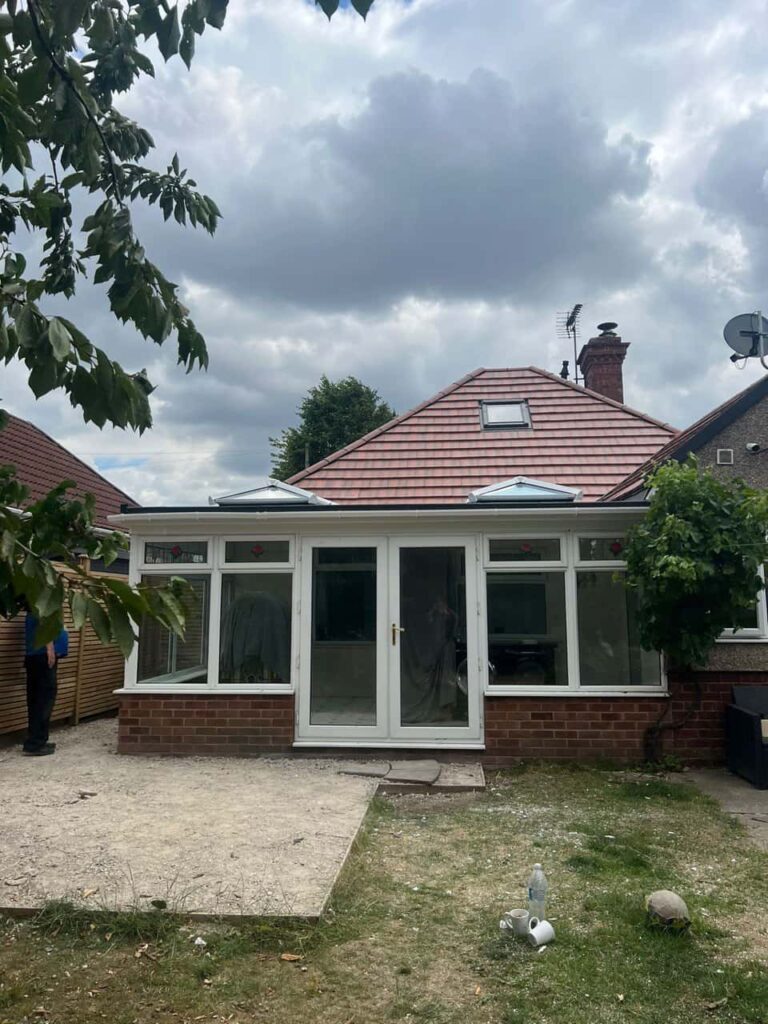
Some roofing defects look minor from ground level but can expose a property to significant water ingress and deterioration. A single displaced tile, a small split in a flat roof or a narrow gap beside a chimney may allow moisture to reach the layers beneath the visible roof covering.
Roof damage rarely improves without attention. Understanding which warning signs require investigation can help property owners act before a localised defect affects insulation, ceilings, roof timbers and adjoining materials.
Roofing Problems That Require Prompt Professional Attention
The seriousness of roof damage cannot always be judged by its size. The location of the defect, the condition of the surrounding materials and the length of time it has been present are equally important.
Missing, Slipped or Lifted Tiles
Roof tiles rely on correct alignment and overlap to direct rainwater towards the guttering. A tile that is missing, displaced or raised can create an opening through which wind-driven rain reaches the underlay.
The tile may have moved because of failed fixings, weakened battens, poor alignment or weather exposure. The surrounding area should be checked rather than simply placing the tile back into position.
Cracked or Broken Roof Coverings
Cracks can allow water to pass through a tile or slate even when the material remains in place. Freeze-thaw cycles and further weathering may gradually enlarge the opening.
Broken coverings can also lose their structural stability and place pressure on neighbouring materials. Prompt replacement helps restore the continuous weather-resistant layer across the roof slope.
Persistent or Recurring Roof Leaks
A damp patch that disappears during dry weather does not mean the underlying problem has resolved itself. Water may only enter when rain falls from a particular direction or when weather conditions expose a specific junction.
Recurring leaks can indicate that an earlier repair addressed the visible symptom rather than the true entry point. A professional inspection should trace the likely route of the moisture and assess every relevant roof detail.
Damaged Lead Flashing
Lead flashing protects the joints where the roof meets chimneys, walls and other raised structures. Splits, lifting, gaps or deterioration can allow water behind the surrounding roof materials.
Because flashing protects vulnerable changes in level and direction, even a narrow opening can cause repeated leaks. The condition of the masonry and nearby coverings should also be examined as part of the repair.
Defects Around Roof Valleys
Valleys carry concentrated volumes of rainwater from adjoining roof slopes. Cracked materials, slipped tiles, failed joints or accumulated debris can interrupt this drainage route.
A leaking valley may affect a larger area than expected because water can travel beneath adjacent coverings. Staining inside the property may therefore appear some distance from the original defect.
Loose Ridge or Hip Tiles
Ridge and hip tiles protect prominent joints along the upper and angled sections of a pitched roof. If they become loose, cracked or displaced, water may enter the junction beneath them.
Movement can also expose neighbouring tiles to increased wind pressure. Sections of deteriorated mortar or an uneven ridge line are useful warning signs that the area requires closer inspection.
Splits, Blisters or Open Seams on Flat Roofs
Flat roofs depend on an unbroken waterproof covering. Splits, punctures, lifted edges and failed seams can provide direct routes for moisture.
Blistering may indicate that air or moisture has become trapped within the roof build-up. Although a blister may not be leaking immediately, further movement or surface damage can cause it to split.
Ponding Water and Poor Drainage
Water remaining on a roof long after rainfall may indicate inadequate falls, blocked outlets or localised settlement. Persistent ponding places additional stress on the covering and can exploit weak seams, cracks and junctions.
The cause of the drainage problem should be identified rather than repeatedly removing the standing water. Gutters, outlets and downpipes should also be checked to confirm that water can leave the roof effectively.
Sagging or Distortion in the Roofline
A visible dip, uneven section or change in the roof’s shape may indicate movement in the supporting structure. Possible causes include weakened battens, deteriorated decking, prolonged moisture exposure or problems affecting roof timbers.
Distortion should not be treated as a cosmetic issue. A professional assessment can determine whether the movement is confined to a small area or forms part of a wider roofing problem.
Damage Following Severe Weather
Strong winds and heavy rain can loosen coverings, disturb flashing and expose previously weakened areas. Not all weather-related damage is immediately visible from the ground.
After severe conditions, warning signs can include debris around the property, rattling materials, new internal staining, uneven tiles and overflowing drainage. An early inspection can identify defects before the next period of rainfall causes further deterioration.
Damp Timbers, Insulation or Ceilings
Internal moisture is often evidence that water has already passed through part of the roof system. Damp insulation, stained timbers, peeling finishes and musty odours should therefore be investigated promptly.
The visible mark may not be directly below the external damage. Water can follow underlay, timbers and roof slopes before reaching the occupied part of the property, making accurate leak detection important.
Why Early Assessment Matters
Delaying attention gives water more time to spread beyond the original defect. A problem affecting one tile or junction can eventually damage battens, underlay, insulation and internal finishes.
A professional inspection establishes the cause, extent and most appropriate repair. It also allows the surrounding roof to be checked for related weaknesses that may not yet be producing visible symptoms.
Conclusion
Missing tiles, damaged flashing, recurring leaks, failed flat-roof coverings, defective valleys and changes in the roofline should never be ignored. Even apparently small faults can compromise the roof’s ability to keep water outside when they affect a vulnerable location.
LS Roofing Tring provides professional roof inspections and repairs in Tring, Hertfordshire. If you have noticed new damage, internal dampness or changes to your roof, contact the team to arrange an assessment and identify the appropriate repair.
Call us on: 01442 504 695
Click here to find out more about LS Roofing Tring
Click here to complete our contact form and see how we can help with your roofing needs.