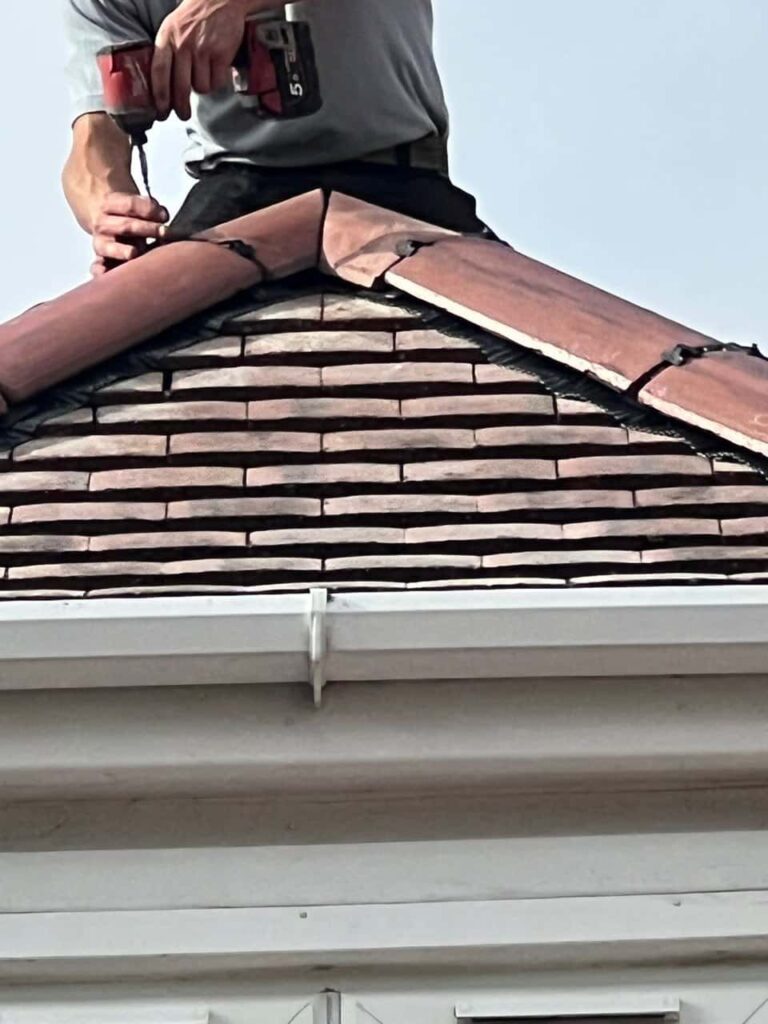
Every roof is made up of numerous components working together to protect a property from the weather. While modern roofing systems are built to be durable, certain areas naturally experience more wear than others due to their constant exposure to rain, wind, temperature changes and general ageing. Understanding which parts of a roof are most commonly repaired helps homeowners recognise potential problems early and arrange professional maintenance before more significant damage develops.
For homeowners in Tring, Hertfordshire, regular roof inspections and timely repairs are the best way to keep a roof performing reliably throughout the year.
Roof Tiles and Slates
Roof tiles and slates are among the most frequently repaired roofing components.
Strong winds, frost, ageing and accidental impacts can all cause individual tiles or slates to crack, slip or become dislodged. Even a single damaged tile can allow rainwater to reach the underlying roof structure if left unattended.
Replacing damaged roofing materials promptly helps maintain the roof’s weatherproof barrier and prevents further deterioration.
Ridge Tiles
Ridge tiles sit along the highest point of the roof and are exposed to the full force of the weather.
Over time, the mortar securing these tiles can deteriorate due to repeated expansion, contraction and exposure to moisture. Loose or cracked ridge tiles should be repaired as soon as possible to maintain the roof’s structural stability and prevent water ingress.
Regular inspections help identify early signs of movement before more extensive repairs are required.
Flashing
Flashing is installed around chimneys, roof windows, valleys and other roof junctions where water could potentially enter.
Because these areas experience constant exposure to the elements, flashing can gradually wear, loosen or develop small gaps. Damaged flashing is one of the most common causes of roof leaks.
Professional repairs restore a secure waterproof seal and help protect vulnerable sections of the roof.
Roof Valleys
Roof valleys are designed to channel large volumes of rainwater away from the roof.
As a result, they experience considerable water flow during heavy rainfall. Debris accumulation, ageing materials or general wear can reduce their effectiveness and increase the risk of leaks.
Routine maintenance and prompt repairs help ensure roof valleys continue to perform efficiently.
Leadwork
Lead is widely used around chimneys, valleys and other roofing details because of its flexibility and durability.
However, like all roofing materials, leadwork can eventually require attention due to movement, weather exposure or age. Small defects can allow water to penetrate the roof if they are not repaired promptly.
Professional leadwork repairs help preserve the roof’s long-term weather resistance.
Fascias, Soffits and Guttering
Although technically part of the roofline rather than the roof covering itself, fascias, soffits and gutters are repaired regularly because they play such an important role in protecting the property.
Blocked gutters, damaged fascias or deteriorating soffits can prevent rainwater from draining correctly, increasing the risk of moisture affecting the roof structure.
Keeping the roofline in good condition supports the overall performance of the entire roofing system.
Roof Verges
The verges are the edges of the roof where the roof covering meets the gable ends.
These exposed sections help secure the outer rows of tiles and prevent wind-driven rain from entering beneath the roof covering. Over time, mortar may crack or verge components may become loose, requiring professional attention.
Maintaining secure roof verges helps preserve the integrity of the roof.
Chimney Areas
Where a chimney passes through the roof, several roofing components work together to keep the area watertight.
These include flashing, mortar joints and surrounding tiles. Because chimneys are exposed to changing weather from every direction, they are one of the most commonly repaired areas of a roof.
Regular inspections help ensure the chimney area remains fully weatherproof.
Why Early Repairs Matter
Roofing defects rarely improve without attention.
A loose tile, cracked flashing or damaged ridge tile may seem minor initially, but these issues often become more serious if left unresolved. Water can enter through surprisingly small gaps, affecting roof timbers, insulation and ceilings before obvious signs appear indoors.
Addressing problems early helps preserve the condition of the roof while reducing the likelihood of more extensive repairs later.
The Importance of Professional Roof Inspections
Many roofing defects cannot be identified safely or accurately from ground level.
Experienced roofing contractors inspect the entire roof to identify both visible damage and hidden areas of concern. This allows repairs to address the true source of any issue rather than simply treating the symptoms.
LS Roofing Tring provides professional roof inspections, maintenance and repair services throughout Tring, Hertfordshire. Every roof is carefully assessed to identify areas requiring attention, ensuring repairs are completed to a high standard and designed to provide dependable long-term protection.
Conclusion
The parts of a roof that require repair most often are typically those exposed to the greatest levels of weather and daily wear. Tiles, slates, ridge tiles, flashing, roof valleys, leadwork and roofline components all play essential roles in protecting your home, and maintaining them properly helps extend the lifespan of the entire roofing system.
For homeowners in Tring, Hertfordshire, regular inspections and prompt professional repairs are the best way to keep a roof in excellent condition. If you have noticed signs of damage or simply want the reassurance of an expert assessment, LS Roofing Tring can provide reliable roofing services that help protect your property for years to come.
Call us on: 01442 504 695
Click here to find out more about LS Roofing Tring
Click here to complete our contact form and see how we can help with your roofing needs.