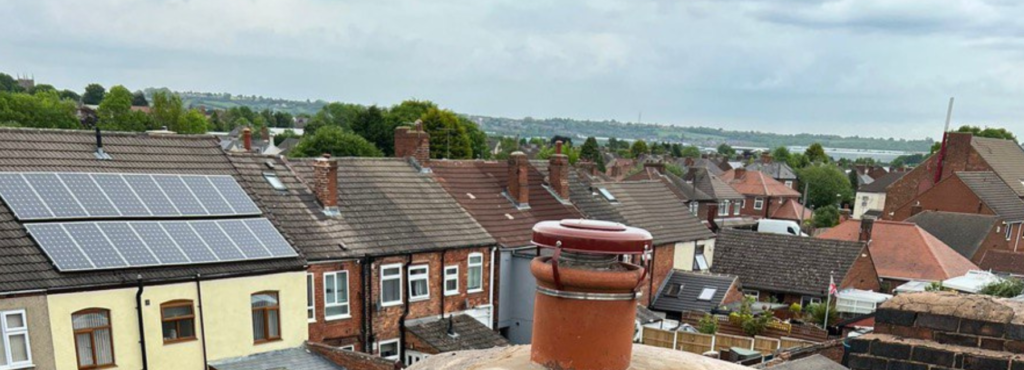
Roof leaks can cause significant disruption and damage to your home, particularly in Tring and the surrounding Hertfordshire areas where heavy rainfall and variable weather conditions are common. Once a leak has been repaired, taking proactive measures is essential to prevent it from recurring. At LS Roofing Tring, we understand the importance of long-term roof protection, and these straightforward steps can help homeowners maintain a watertight roof for years to come.
1. Conduct Regular Roof Inspections
The most effective way to stop leaks from returning is to identify potential problems early. Walk around your property every few months, ideally after stormy weather, and look for damaged or missing tiles, cracked slates, or signs of wear on the roof surface. Pay close attention to areas around chimneys, valleys, and skylights where water is more likely to penetrate.
From ground level, use binoculars to check for loose or slipped tiles. Early detection of small issues can prevent them from developing into larger leaks that affect ceilings and internal structures.
2. Keep Gutters and Downpipes Clear
Blocked gutters are one of the most common causes of recurring roof leaks in Tring homes. When leaves, moss, and debris accumulate, water overflows and can seep under roof coverings or cause damp patches on walls.
Clean your gutters at least twice a year, particularly in autumn and spring. Ensure downpipes are free-flowing and direct water away from the property foundations. Proper drainage reduces pressure on your roof and helps maintain its overall condition.
3. Trim Overhanging Trees and Branches
Trees close to your roof can cause considerable damage as branches rub against tiles and deposit leaves and twigs that block gutters. In Hertfordshire’s leafy environment, this is a frequent issue for many properties in Tring.
Regularly trim branches that overhang your roof to reduce the risk of physical damage and debris build-up. This simple maintenance task also improves sunlight exposure, which helps prevent moss growth on the roof.
4. Check and Maintain Flashing and Sealants
Flashing around chimneys, roof joints, and pipes often deteriorates over time, creating entry points for water. Inspect these areas for cracks, gaps, or corrosion and replace any worn sealants with high-quality, weather-resistant products suitable for UK conditions.
Properly sealed flashing is vital for directing water away from vulnerable joints and ensuring your roof remains protected during heavy downpours.
5. Ensure Adequate Roof Ventilation
Poor ventilation can lead to condensation, which causes dampness and weakens roof structures over time. This is particularly relevant in older properties common in the Tring area.
Check that your loft space has sufficient airflow through vents and that insulation does not block these openings. Good ventilation helps regulate temperature and moisture levels, significantly reducing the likelihood of leaks caused by internal moisture build-up.
6. Address Moss and Lichen Growth Promptly
Moss and lichen retain moisture against your roof tiles, which can lead to cracking and water penetration over time. Gently remove moss using appropriate cleaning methods that won’t damage the roof surface, and consider a professional moss treatment to prevent rapid regrowth.
Conclusion
Preventing roof leaks from returning requires consistent attention and timely maintenance rather than waiting for problems to escalate. By following these practical steps, homeowners in Tring and Hertfordshire can protect their properties and enjoy greater peace of mind during the wetter months.
If you would like expert advice or a thorough roof inspection to ensure your property remains leak-free, the team at LS Roofing Tring is here to help. Contact us today to discuss your roofing needs and arrange a professional assessment of your roof.
Call us on: 01442 504 695
Click here to find out more about LS Roofing Tring
Click here to complete our contact form and see how we can help with your roofing needs.